Disclosure: This post may contain affiliate links. This means that if you click on a link and make a purchase, I may earn a small commission at no extra cost to you. I only recommend products and resources that I genuinely believe will add value to my readers.tional cost to you.
After I graduated and found myself a job, I had the real taste of financial freedom. Or so I thought! It was not until when I was between jobs I realised the importance of having an emergency fund. It was quite late (still better late than never), till the time I realised that I could have ‘spent’ my money on investments, instead of buying things that simply had no meaning in my life after a few years.
Even an accountant like me, even when having a father who habitually invests in a long-term portfolio, could be so complacent about financial literacy. Then what about all my fellow millennials, who are stuck in the rat race? So I decided to share with you 5 books that really helped me understand on how to manage my finances, and where to put my money.
Building wealth typically entails undergoing a huge mindset shift, on beliefs around money, success and wealth-building. One such book I recommend as a starter in your journey towards wealth-building and financial independence, would be Rich Dad Poor Dad by Robert Kiyosaki. The book provides fundamental principles of financial education through the author’s personal experiences and the contrasting financial philosophies of his “rich dad” and “poor dad”. This was the book I started with as well. Hence, I would highly recommend you to start from here.
Once I had a comfortable level of my emergency savings, I then decided to start my investment journey. As an accountant, reading the financial statements of different companies is nothing new to me. I would say it is my added strength. Basic financial literacy is about learning to read the financial statements. The truth is, anyone can learn it.
A simple book like How to Read a Financial Report: Wringing Vital Signs Out of the Numbers by John A. Tracy would do the trick. This book is designed for individuals who are new to financial statements and want a practical guide to understanding and interpreting them. Tracy primarily focuses on the three main financial statements — the income statement, balance sheet, and cash flow statement. You will learn how to extract important information from each statement and understand their interrelationships.
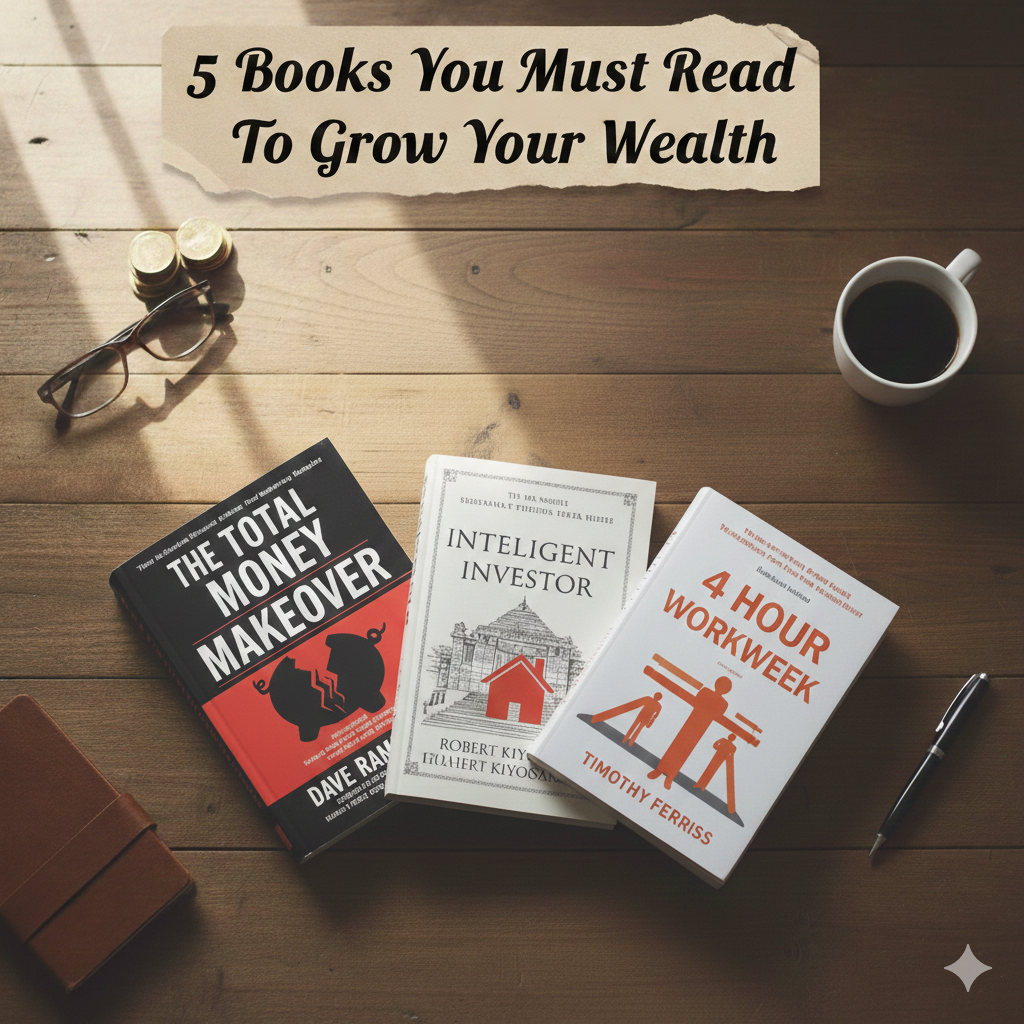
When it comes to investing in stock markets, the cult classic is always the The Intelligent Investor by Benjamin Graham. The book is long and you might find hard to read in its entirety. Hence, I recommend you read Chapters 1, 8, 14, 20 and 21, which provide you a solid foundation in investment strategies. As you progress in your reading, you may also find value in other chapters that delve into specific investment strategies, understanding financial statements and the psychology of investing.
Remember to take your time and absorb the material gradually. I spent about 20-30 minutes everyday reading a few pages from the book, but only these specific chapters.
If you are not into investing, but you just want to keep healthy financial habits, or if you want to straighten up your financial situation, then I have a good book to recommend: The Total Money Makeover: A Proven Plan for Financial Fitness by Dave Ramsey. The author provides a clear and actionable plan for getting out of debt, building an emergency fund, and achieving financial freedom. So you can take this one day at a time.
When you get into debt reduction and start saving for your emergency fund, that is when you can even start thinking about investing and long-term retirement planning. Do not rush through this process.
As you read these books, you will get many revelations about yourself and about the way you manage your own finances. You will then come to realise that savings alone is not enough to build wealth. You have to build ways to earn passive income. Reading the “Rich Dad Poor Dad” book alone will give you the idea and motivation to start thinking about ways to earn passive income.
An excellent book that I am currently reading and enjoying would be The 4-Hour Workweek: Escape 9-5, Live Anywhere, and Join the New Rich by Timothy Ferriss. The author shares strategies for creating lifestyle businesses that generate passive income and allow for greater freedom and flexibility. He explores concepts such as outsourcing, automation, and building income-generating assets.
3 responses to “5 Books You Must Read To Grow Your Wealth”
hey
cool blog 🙂 will give it a follow and a like !
https://jackrussellterriers.info/
hey
cool blog 🙂 will give it a follow and a like !
https://ketodietrecipes.co.uk/
hey
lovely blog hope all is well
happy blogging.
https://ketodietrecipes.co.uk/